
Shop online
Squirrel Repellent | Repelling Squirrels | Squirrel Deterrent
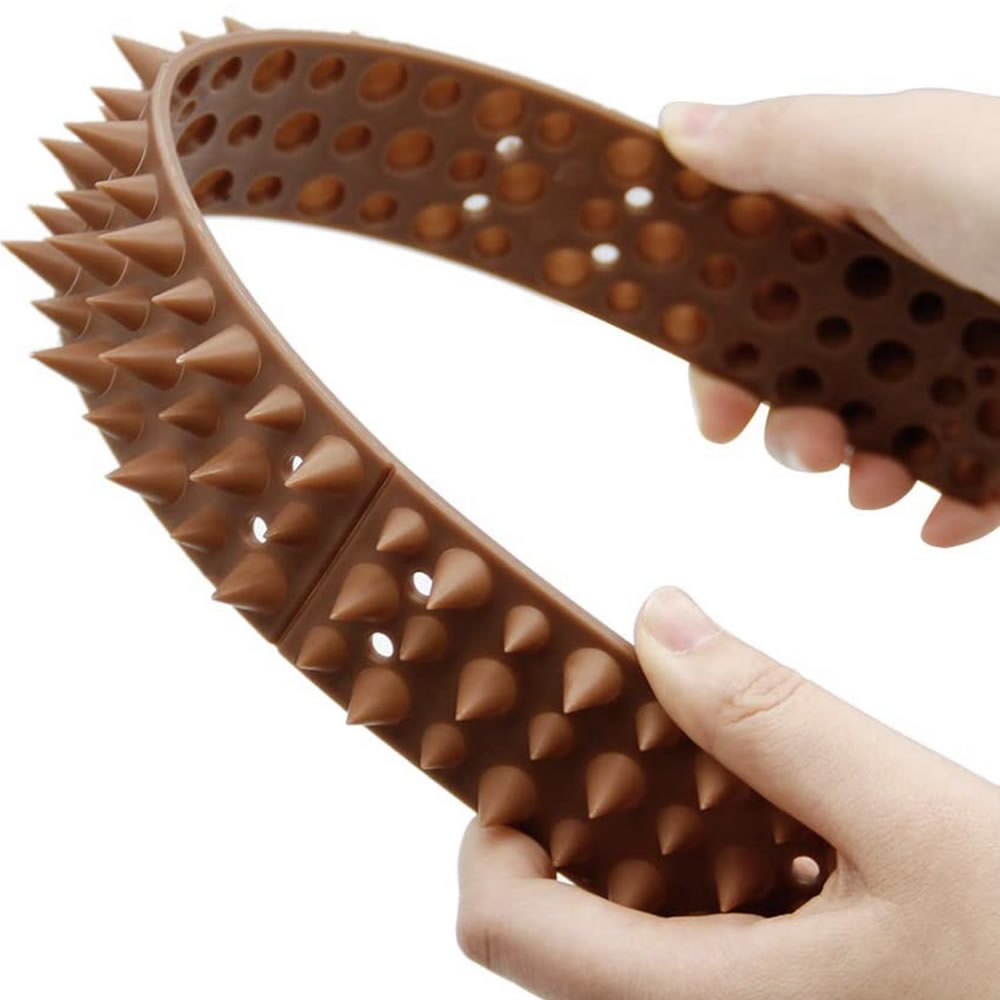
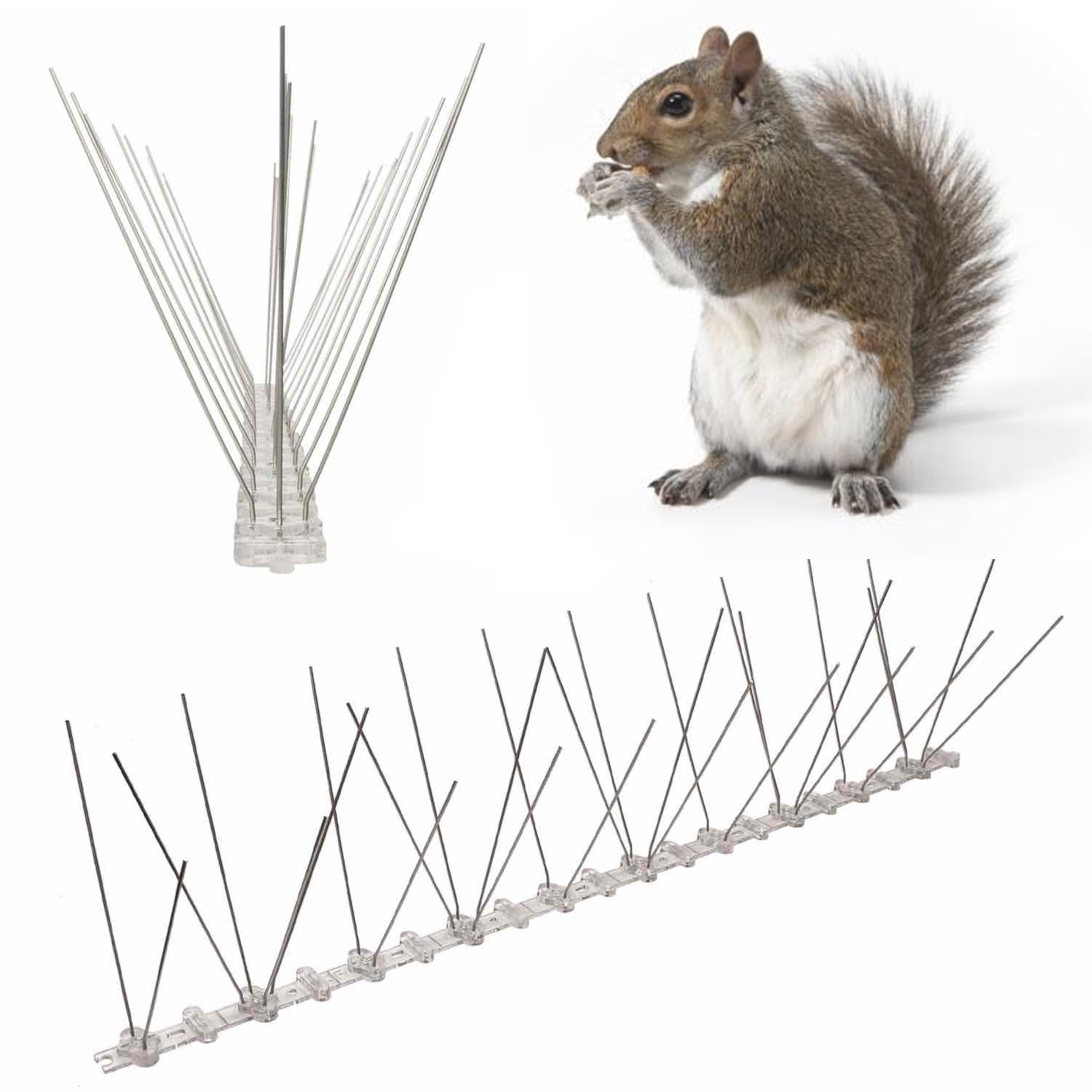
Shop squirrel spike strips in moulded plastic or stainless steel, a live-catch squirrel cage trap and a solar powered ultrasonic squirrel deterrent.
Delivered to your door across Canada. Orders are dispatched within 2 working days and then delivered in up to 7 working days by tracked courier, with free delivery on orders of $75 or more, otherwise a flat $22.
Prices in Canadian dollars.
Squirrel Spikes
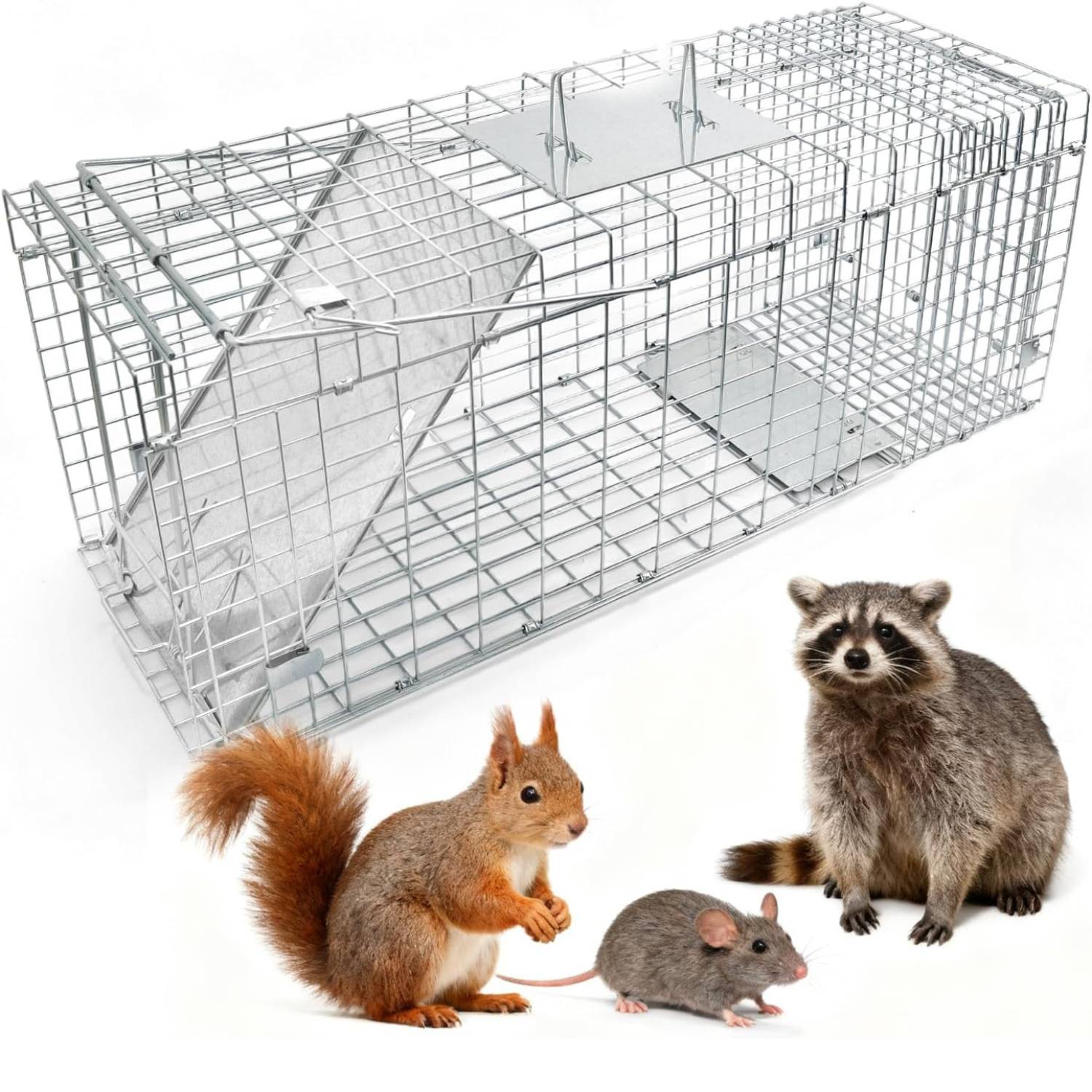
Squirrel Trap
Repellents
A Guide to Squirrel Repellents and Deterrents
Squirrels are endlessly resourceful. They dig up freshly planted bulbs, strip bark from ornamental trees, empty bird feeders in minutes and chew through electrical cables. They also gnaw their way into attics, where they shred insulation and keep the household awake with their scratching. If you have a squirrel problem, you already know it. You also know that hoping they will move on by themselves is not a plan. Squirrels that have found a reliable food source, a comfortable nesting site or a handy route across your property will keep coming back until something discourages them.
That something is a squirrel repellent or deterrent. The options range from scent sprays and granules to physical barriers, electronic devices and changes to your yard that make it less attractive to squirrels. The challenge is finding the right mix for your situation, because squirrels are clever, adaptable animals that can get around a single measure more easily than several working together. This guide covers the main types so you can build a plan that helps keep squirrels away from the areas where they cause damage. This store sells squirrel spike strips, a live-catch cage trap and a solar powered ultrasonic deterrent. It does not sell repellent sprays or granules.
Understanding Squirrel Behaviour Before Choosing a Deterrent
Repelling squirrels starts with understanding what drives them. Squirrels are not on your property at random. They are there because it gives them something they need. Work out what that is, and you can choose a deterrent that deals with the cause, not just the symptoms.
Food Sources That Attract Squirrels
Food is a strong draw for squirrels. Bird feeders filled with seeds and nuts are a common attraction on residential properties, and squirrels are also drawn to fruit trees, nut trees, vegetable gardens, compost bins with exposed food waste, pet food bowls left outdoors, and fallen berries and seeds under plants. A squirrel that has found a reliable food source on your property is likely to keep coming back until the food is removed or made hard to reach. A deterrent plan that leaves food easy to reach is working against a strong pull.
Shelter and Nesting Opportunities
Squirrels look for warm, dry, enclosed spaces to nest, and homes offer plenty of them. Attics reached through gaps in soffits or fascias, spaces behind siding, gaps under roof shingles, unused chimneys and dense evergreen hedges near the house all make sheltered nesting sites. In late autumn and winter, the drive to find a warm nest gets stronger. Squirrels become more persistent and more destructive in trying to get into enclosed spaces, so dealing with nesting entry points matters most in these seasons.
Travel Routes and Territorial Patterns
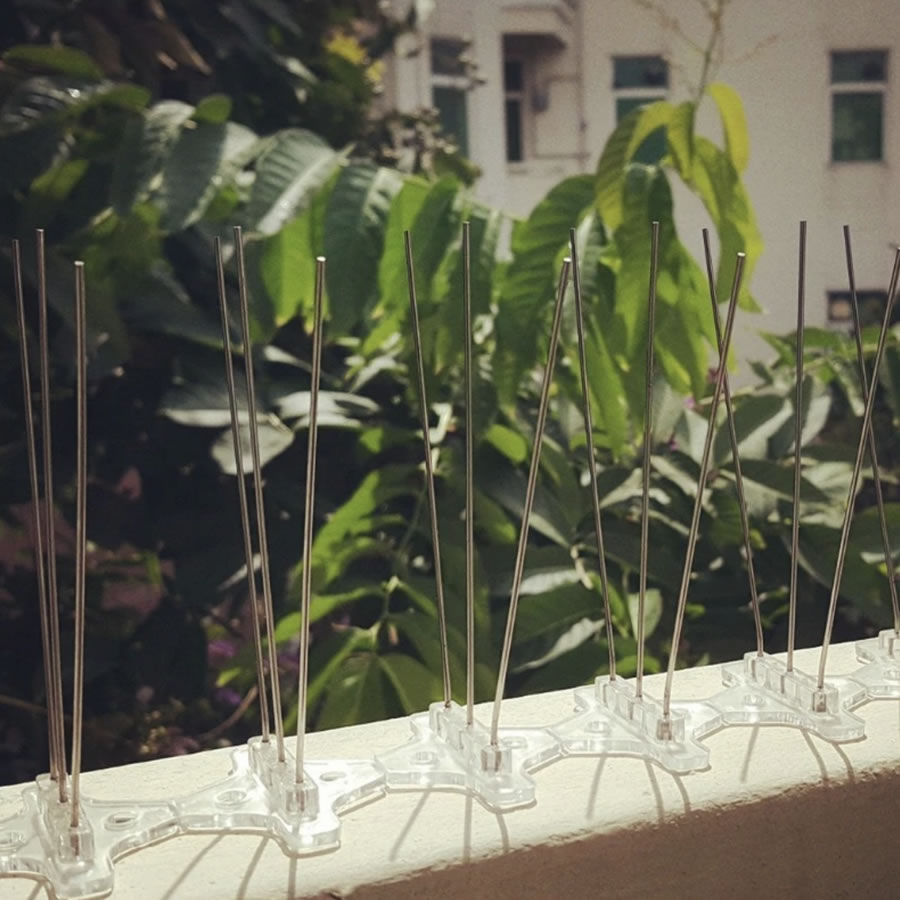
Squirrels are creatures of habit. They set up regular routes between their nest, their food and the edges of their territory. These routes usually follow raised paths such as fence tops, wall caps, tree branches, power lines and roof ridges, which let them travel quickly and safely above the ground. Finding these routes on your property shows you where physical deterrents like spikes and barriers can do the most to disrupt squirrel movement.
Types of Squirrel Repellent
Squirrel repellents fall into several broad groups. Each works in a different way and suits different uses. No single type works against every squirrel in every situation, so combining more than one type into a layered plan often works better than relying on one.
Scent-Based Squirrel Repellents
Scent repellents use strong smells that squirrels dislike to discourage them from entering or staying in treated areas. Common active ingredients include capsaicin from hot peppers, peppermint oil, garlic extract, predator urine and other blends. They come as ready-to-use sprays, concentrated liquids for mixing, granules for scattering on soil, and soaked sachets for enclosed spaces. This store does not sell scent repellents. If you use one, follow the product label.
Scent repellents tend to work better in enclosed or partly enclosed spaces, where the smell builds up instead of drifting away. Attics, crawl spaces, sheds and the inside of garden structures hold the smell better. In open areas such as gardens, lawns and fence lines, wind, rain and sun break the smell down, so scent repellents are less reliable there and need reapplying often, especially after rain. That makes them more work to keep up than physical deterrents.
Taste-Based Repellents
Taste repellents coat surfaces with bitter or spicy compounds that make chewing or licking the treated area unpleasant. Many use capsaicin, the compound that makes hot peppers hot. Others use bittering agents such as denatonium benzoate, which some commercial sprays use to protect wood and outdoor furniture from gnawing. This store does not sell taste repellents. If you use a capsaicin product, wear gloves, keep it away from your eyes, pets and children, and follow the label. Some repellent products are regulated, so use only products sold for this purpose.
Taste repellents are targeted. They work best on the specific things squirrels are chewing, such as wooden deck posts, outdoor furniture and the bark of ornamental trees. They do not keep squirrels out of an area, but they can discourage chewing. Rain and weather wear the coating away, so they need reapplying often, which makes them more work to keep up.
Physical Barriers and Deterrents
Physical deterrents put obstacles in the way. They make it harder for squirrels to cross, climb or reach parts of your property, using structure rather than smell or taste. This group includes spike strips for fence tops, wall caps, gutters and roof edges, guards on downspouts, mesh screens over soffit vents and gaps in the building, baffles on bird feeder poles, netting over garden beds and fruit trees, and smooth metal bands around tree trunks that make climbing harder. Of these, this store sells spike strips.
Physical barriers do not rely on a squirrel staying bothered by a smell or a sound it may get used to, and they do not wash away in the rain. They still need checking now and then, to clear debris and refix anything that has come loose. That makes them a sensible first step on the routes squirrels use, with other methods added where barriers are not practical.
Electronic and Ultrasonic Squirrel Deterrents
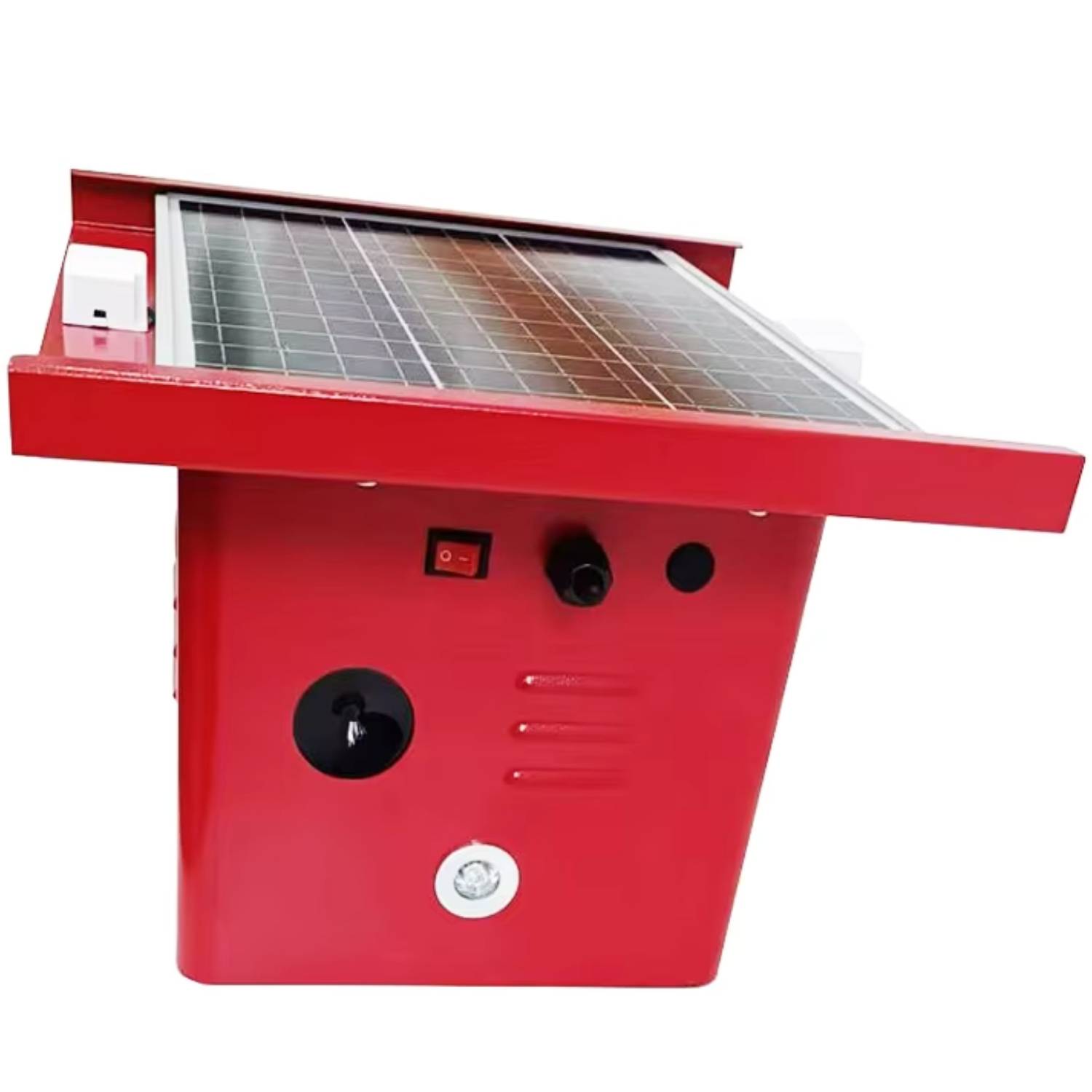
Electronic deterrents use motion sensors to startle squirrels and discourage them from staying in an area. Motion-activated sprinklers spray a sudden burst of water when they detect movement. Ultrasonic devices give off high-pitched sound meant to be unpleasant for squirrels. This store sells one electronic deterrent: a solar powered outdoor unit. Its motion sensor triggers ultrasonic sound and a flashing strobe light. Modes include motion detection, continuous operation and frequency cycling, and there is an optional predator sound. The store does not sell sprinklers.
Sprinklers can startle squirrels in gardens and lawns, and they work better when moved now and then so squirrels are less likely to learn where the spray reaches. Ultrasonic devices get mixed reports. Squirrels can get used to a sound and go back to their usual habits, and results vary with the area, the layout and the squirrels themselves. On this store's unit, frequency cycling, the strobe light and the optional predator sound give squirrels more than one thing to react to, which may help, but they do not stop squirrels getting used to it. The store says the unit works best as part of a wider squirrel plan, alongside physical barriers such as spike strips.
Predator Decoys and Visual Deterrents
Decoy predators such as plastic owls, rubber snakes and hawk shapes are sold as squirrel deterrents that play on a squirrel's fear of predators. A new decoy may keep squirrels away at first. But squirrels soon notice that a decoy that never moves is not a real threat, and they can get used to a still decoy and go back to their normal habits. This store does not sell decoys.
Decoys that move, reflect light or make sound may hold a squirrel's attention a little longer, but squirrels can learn to ignore these too. Visual deterrents are best used as short-term extras alongside other methods, not on their own. Moving them to a new spot often can help stop squirrels getting used to them in one place.
Building a Layered Squirrel Deterrent Strategy
A good way to repel squirrels is to combine several types of deterrent into a layered plan, so you deal with different parts of squirrel behaviour at once. A determined squirrel may beat one method on its own. Several together can make your property more trouble than it is worth.
Layer One: Remove Attractants
The foundation of any squirrel deterrent strategy is reducing the reasons squirrels visit your property in the first place. Switch to squirrel-resistant bird feeders that use weight-activated closures or caged designs that allow small birds to feed while excluding squirrels. Clear fallen fruit, nuts, and seeds from beneath trees and feeders regularly. Secure compost bins with tight-fitting lids. Store pet food indoors. Trim tree branches that overhang fences, walls, and rooflines, removing the aerial bridges that squirrels use to access your structures. Every attractant you remove reduces the squirrel's motivation to persist through the deterrents you place in its path.
Layer Two: Install Physical Barriers
With attractants reduced, fit physical barriers on the routes and entry points squirrels use to reach the areas where they cause damage. Spike strips on fence tops, wall caps, gutters and roof edges help block travel routes. Guards on downspouts make climbing routes harder. Mesh screens over soffit vents and gaps in the building close off ways in, once you are sure no squirrels are inside. Smooth metal bands around single tree trunks make it harder for squirrels to climb to fruit, nest boxes or overhanging branches. These barriers are the core of your plan, and they need only occasional checks once fitted.
Layer Three: Apply Repellents to Specific Problem Areas
Once the main routes are blocked and entry points closed, you can use scent and taste repellents on any spots where squirrels still cause trouble. Common examples are a capsaicin repellent on wood that squirrels are gnawing, a granular repellent around garden beds being dug up, or peppermint-soaked cotton balls in an attic alongside exclusion measures. This store does not sell sprays or granules. If you use them, follow the product label, wear gloves when handling capsaicin or pepper products, and keep them away from eyes, pets and children. Some repellent products are regulated, so use products sold for this purpose. These targeted treatments deal with habits that barriers alone may not stop, such as digging in garden soil and chewing exposed wood.
Layer Four: Deploy Active Deterrents
Where barriers and repellents are not enough or not practical, active deterrents add another layer. A motion-activated sprinkler over a vegetable patch can startle squirrels away from the growing area. A motion-activated ultrasonic unit, like the solar powered one this store sells, adds sound and a flashing strobe light when a squirrel comes near. Squirrels can get used to it over time, so treat it as one layer, not the whole plan. Moving predator decoys around in spots where squirrels have been bold gives them another reason to stay wary. Active deterrents work better when you change their position, timing and pattern regularly, so squirrels are less likely to predict and adapt to them.
Adapting Your Strategy Over Time
Squirrels are clever, and a plan that works well in the first month may work less well as local squirrels learn, adapt and test for weak spots. Check your property regularly for signs of new routes, new entry points or new food sources your current plan does not cover. Adjust as needed: extend physical barriers to new routes, refresh repellents that have worn off, and move active deterrents that squirrels have learned to get around. Treat squirrel control as an ongoing job, because the squirrels will keep testing it.
Natural and Home-Made Squirrel Repellent Options
If you would rather start with natural options before buying products, several household ingredients have a reputation for repelling squirrels. How well they work varies.
Capsaicin and Hot Pepper Solutions
Capsaicin, the compound that makes hot peppers hot, is one of the better-known home-made squirrel repellents. People mix cayenne pepper or hot chili flakes with water and a little dish soap to make a spray for plant bulbs, wooden surfaces and the soil around garden beds. The heat is unpleasant for squirrels and can put them off the treated area. Take care if you try it: wear gloves, avoid breathing in the spray, keep it away from your eyes, pets and children, and wash your hands afterwards. For bought pepper products, follow the label, and note that some repellent products are regulated. This store does not sell pepper sprays.
Peppermint Oil and Strong Herbal Scents
Peppermint, clove and eucalyptus oils are often mentioned as natural squirrel repellents. Cotton balls soaked in these oils and placed around garden beds, in attics or near entry points give off a local smell that some squirrels dislike. Results are inconsistent and seem to depend on how strong the oil is, how much air moves through the space and the squirrel itself. These methods tend to do better in enclosed spaces where the smell builds up, and less well outdoors where it drifts away. Keep concentrated oils away from pets and children.
Coffee Grounds and Vinegar
Used coffee grounds scattered around garden beds and vinegar sprayed on surfaces are popular home remedies. Some squirrels dislike the strong smell, which may put them off a treated area for a short time. Neither lasts long, and both need reapplying often, especially after rain.
Limitations of Natural Repellents
Natural and home-made squirrel repellents can be worth trying first for minor nuisances in gardens and around bird feeders. They are cheap and simple to make, but they are not harmless: pepper sprays irritate skin and eyes, and concentrated oils should be kept away from pets and children. Their results are hard to predict and they wear off quickly. For bigger problems such as damage to your home, squirrels getting into the attic or widespread garden damage, home remedies alone are unlikely to be enough. Physical barriers on the routes squirrels use are a sensible next step.
Seasonal Considerations for Repelling Squirrels
Squirrel behaviour changes through the year, so a good deterrent plan changes with the seasons instead of staying the same every month.
Spring and Summer Activity
In spring, squirrels are busy in gardens and yards. They dig up bulbs, raid newly planted beds and forage hard to rebuild their energy after winter. Young squirrels born in spring start exploring on their own by late summer, so more animals may visit your property. In the warmer months, garden deterrents such as motion-activated sprinklers, netting or mesh over seed beds, and pepper treatments on bulbs and plants are worth considering. Repellents need reapplying after rain and watering. If you use pepper products, wear gloves and keep them away from eyes, pets and children.
Autumn and Winter Pressures
Autumn brings a shift in squirrel behaviour from foraging to storing food and nesting. Squirrels bury food across your garden, and the digging can damage lawns, beds and container plants. More importantly, autumn is when squirrels start looking for warm winter nesting sites, and your attic, soffits and wall cavities become targets. The need for shelter makes squirrels especially persistent at this time of year and more willing to gnaw at barriers. Close off entry points before autumn arrives. Seal any existing holes only after you are sure no squirrels are inside, because shutting a squirrel in your attic creates a far worse problem than letting it come and go. If you plan to trap and release a squirrel, check your local rules first. Rules on trapping and releasing wildlife vary by province and municipality.
Choosing the Right Squirrel Repellent for Your Situation
The right squirrel deterrent depends on what the squirrels are doing, where they are doing it and how persistent they are. A squirrel that visits a bird feeder needs a different response than one that has gnawed through your soffit and nested in your attic. Match your plan to the size of the problem. Start with the least invasive methods, and step up to stronger measures if the first approach does not work within a reasonable time.
For gardens and bird feeders, try squirrel-resistant feeders with a pepper treatment and a motion-activated sprinkler. Wear gloves for pepper products and keep them away from pets and children. For fence and wall routes, spike strips give a physical barrier that needs only occasional checks and cleaning. For attics and other ways into your home, combine mesh over entry points with spike strips on the routes squirrels use to reach them. You can add a motion-activated ultrasonic deterrent as one part of the plan, keeping in mind that squirrels can get used to sound. Whatever you choose, squirrels are smart, determined and adaptable, so keep checking your plan and adjusting it as they do.
Frequently asked questions
Why deal with a squirrel problem now?
The sooner a fence top or gutter is harder to use, the less time a squirrel has to make it part of its daily route. Spike strips start at $9, and the Squirrel Trap arrives assembled.
Can I mix products to suit my property?
Yes. You can pair spike strips on fences and gutters with the Ultrasonic Squirrel Deterrent on a shed or deck, and add the Squirrel Trap if you need to catch a squirrel. The plastic strip also separates into 12.5 cm segments to fit shorter runs.
Will squirrel deterrents affect other animals?
They can. Spikes are a physical deterrent, so other climbing animals may be put off too, and the trap is made for squirrels and similar-sized animals such as chipmunks, rats, weasels and raccoons. Place the trap where pets cannot get to it.
Can squirrel control products be used on commercial properties?
Yes. The spike strips, trap and ultrasonic deterrent can be used on business premises as well as homes. For larger quantities, send an enquiry through the Wholesale page.
Are there non-lethal ways to deal with squirrels?
Everything the shop sells is non-lethal. Spike strips and the solar ultrasonic deterrent discourage squirrels from a spot, and the Squirrel Trap is a live-catch cage.
Do squirrel deterrents work on roofs and gutters?
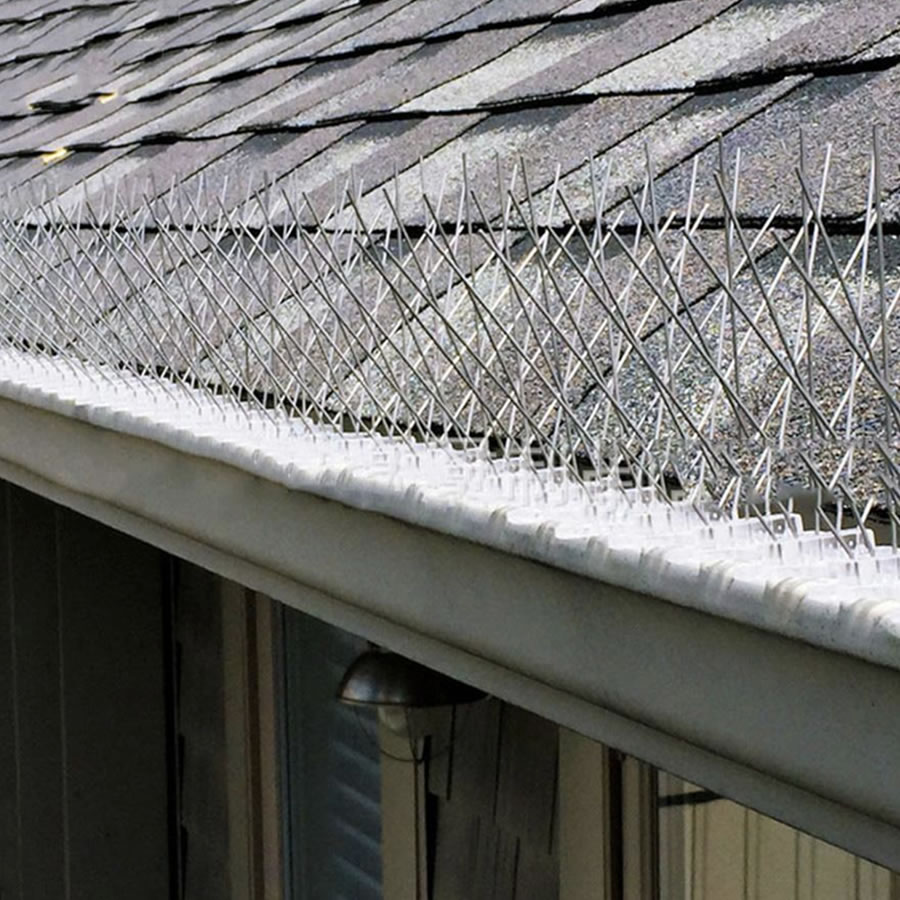
Gutter Spikes are listed for gutters, eaves and roof edges, where they make it harder for squirrels to climb up and along. The Ultrasonic Squirrel Deterrent can also be mounted on eaves.
Are there rules about squirrel control in Canada?
Rules on trapping and releasing wildlife vary by province and municipality, so check your local rules before you trap or release an animal. Spikes and the ultrasonic deterrent are non-lethal deterrents.
Can squirrel control products be used around barns and sheds?
Yes. The Ultrasonic Squirrel Deterrent mounts on sheds, fences and eaves, and the stainless steel spike strips mount on flat, curved or irregular surfaces. The trap suits squirrels and similar-sized animals such as rats and chipmunks.
What are the squirrel products made of?
Squirrel Spikes are hard moulded plastic, and the other spike strips are stainless steel wire on a clear polycarbonate base. The Squirrel Trap is galvanised steel mesh, and the Ultrasonic Squirrel Deterrent has a red housing with a solar panel on top.
Does the Squirrel Trap arrive assembled?
Yes. The trap arrives assembled and folds flat for storage. It has a gravity-action front door with a trigger pedal, a rear door with a release lever tool and a carry handle.
What sizes are the spike strips?
Every spike strip is 50 cm long. The plastic Squirrel Spikes strip is 4.5 cm wide, and the stainless steel strips have a 23 mm base with spikes covering 70 mm tip to tip.
Do squirrel deterrents need regular maintenance?
A little. Clear leaves or debris from spike strips now and then, and wipe the solar panel on the ultrasonic deterrent so it gets sunlight.
Can squirrel products be used indoors?
The shop's spike strips and solar powered ultrasonic deterrent are made for outdoor spots such as fences, gutters, eaves and decks.
How soon will squirrel deterrents work?
Spike strips are in place as a physical deterrent as soon as they are fitted, but how quickly a squirrel changes its habits varies. Animals can get used to sound, so the ultrasonic deterrent works best as part of a wider plan.
Are squirrel deterrents built for outdoors?
Yes, they are made to be fitted outside. The plastic spike strip does not rust, the steel strips use stainless steel wire, and the ultrasonic deterrent has a sealed back cover and angled housing.
What animals are the products made for?
The spike strips and ultrasonic deterrent are made to discourage squirrels. The Squirrel Trap is for squirrels and similar-sized animals such as chipmunks, rats, weasels and raccoons.
Do any of the squirrel products need electricity?
The Ultrasonic Squirrel Deterrent is solar powered through the panel on top. The spike strips and the Squirrel Trap need no power at all.
Which squirrel deterrent suits a deck?
The Ultrasonic Squirrel Deterrent mounts on decks and uses motion detection to set off ultrasonic sound and a flashing strobe light. For a railing or edge nearby, a stainless steel spike strip makes it awkward to sit on.
Can spike strips go on curved surfaces?
The stainless steel strips mount on flat, curved or irregular surfaces. They fix with UV-stabilised silicone adhesive, nails, screws or cable ties.
How do I install squirrel deterrents myself?
The plastic spike strip fixes with nails, screws, double-sided tape, glue or zip ties, and the steel strips with silicone adhesive, nails, screws or cable ties. The ultrasonic deterrent mounts on a fence, tree, shed, deck or eave, and the trap arrives assembled.
Do squirrel deterrents harm squirrels?
The range is non-lethal. Spikes and the ultrasonic deterrent discourage squirrels from a spot, and the Squirrel Trap catches them alive in a cage with smoothed internal edges.
Can squirrel deterrents help protect my property?
They help. By discouraging squirrels from fence tops, gutters and roof edges, deterrents make it harder for them to reach the places where they cause trouble.
Is squirrel control expensive?
Spike strips are $9 or $10 per 50 cm strip, the Squirrel Trap is $129 and the Ultrasonic Squirrel Deterrent is $299, all in Canadian dollars. Delivery is free on orders of $75 or more.
How long do squirrel deterrents last?
We don't give a lifespan in years, because it depends on where and how each product is fitted. The plastic spike strip does not rust, and the steel strips use stainless steel wire.
How do I bait the Squirrel Trap?
Bait it with peanut butter or sunflower seeds. The trap has a trigger pedal and rod that work the gravity-action front door, and a release lever tool opens the rear door.
Can squirrel deterrents be used in gardens?
Yes. The Ultrasonic Squirrel Deterrent mounts on a fence, tree, shed or deck and uses motion detection to set off ultrasonic sound and a flashing light. Fence Spikes For Squirrels discourage squirrels from running along the fence line.
Are squirrel deterrents safe around pets?
Everything in the range is non-lethal. Fit spike strips where pets do not climb or lean, and place the trap where pets cannot get to it.
What does the shop sell?
Six products: the plastic Squirrel Spikes strip, the stainless steel strip sold as Anti Squirrel Spikes, Fence Spikes For Squirrels and Gutter Spikes, the Squirrel Trap and the Ultrasonic Squirrel Deterrent.
How does squirrel control work?
Spike strips make a surface awkward to climb onto or sit on, and the ultrasonic deterrent uses motion-triggered sound and a flashing strobe light to discourage squirrels. The live-catch trap lets you catch a squirrel alive, after checking local rules on trapping and release.
Which squirrel deterrent should I start with?
For a fence, gutter or roof edge that squirrels use as a route, start with spike strips from $9. The Ultrasonic Squirrel Deterrent works best as part of a wider plan, alongside spikes or the trap.