
The complete guide
Ultrasonic squirrel deterrents: do they actually work?
The promise is appealing. Mount a device, switch it on, and high-frequency sound keeps squirrels away from your yard with no chemicals, no barriers and no heavy lifting. Ultrasonic deterrents have been sold to homeowners for years as a clean, easy answer to a frustrating pest problem. The reality is less simple than the box suggests. It helps to know what these devices can and cannot do before you make one part of your squirrel control plan.
This guide takes an honest look at ultrasonic squirrel deterrents. It explains how they work, what affects how well they perform, and the common mistakes that lead to disappointment. It also helps you decide whether an ultrasonic unit belongs in your squirrel plan, or whether your situation calls for a different approach.
How Ultrasonic Squirrel Deterrents Work
Ultrasonic devices give off high-frequency sound above the range most people can hear. The idea is that this sound is irritating or uncomfortable for squirrels, so they leave the area and stay away while the device is active.
The Science of Ultrasonic Sound
Sound travels through air as pressure waves. The frequency of those waves decides whether we hear a low rumble, normal speech or a high whine. People hear less of the high end as they age, and many small mammals, squirrels included, can hear sounds too high for people to hear. Ultrasonic deterrents use that gap: they send out sound squirrels can hear but you usually can't.
What Happens When a Squirrel Encounters Ultrasonic Sound
When an ultrasonic deterrent works as intended, the sound creates a zone of discomfort around the device. A squirrel entering that zone hears an unpleasant sound and may want to move away, a bit like a person reacting to a piercing alarm. Over time it may link the discomfort with the spot and use other routes where the sound is not present.
This is the theory. In practice, the degree to which individual squirrels respond to ultrasonic sound varies considerably based on the frequency used, the sound pressure level, the environmental conditions, and the individual animal's sensitivity and motivation. A mildly curious squirrel investigating a new garden may be easily discouraged by an ultrasonic signal, while a squirrel with an established nest in your attic and a strong territorial attachment to your property may tolerate significant acoustic discomfort rather than abandon a location it considers home.
Types of Ultrasonic Squirrel Repellers
Ultrasonic deterrents come in a few types, each made for different spaces. The unit we sell is a solar powered outdoor model, but it helps to know how the other types compare.
Plug-In Indoor Units
Indoor units plug into a standard outlet and send out steady or pulsed ultrasonic sound, aimed at discouraging squirrels from enclosed spaces such as attics, garages and crawl spaces. They are compact and need no installation beyond plugging them in. How much space they reach varies from model to model and with the layout of the room. We don't sell indoor plug-in units; our deterrent is a solar powered outdoor model.
Indoor units work in an enclosed space. Walls, floors and ceilings bounce sound back into the room instead of letting it spread into open air. That can help the sound stay stronger through the space, and a squirrel has fewer places nearby to get away from it.
Battery and Solar-Powered Outdoor Units
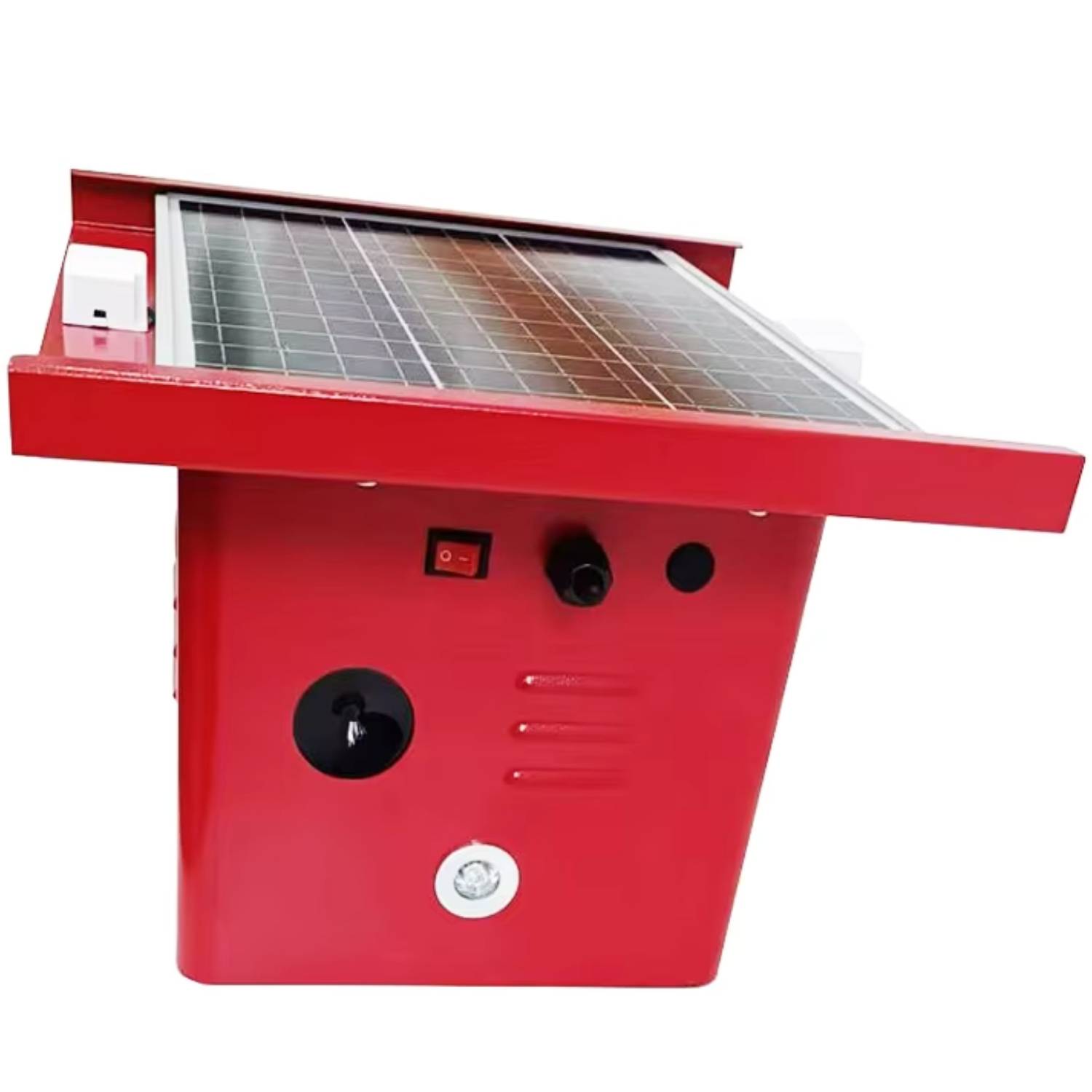
Outdoor ultrasonic deterrents are standalone units made to protect gardens, patios, bird feeding areas and other outdoor spaces. They run on batteries, solar power or both, so they don't need a power outlet nearby. Many use a motion sensor that switches the sound on only when an animal moves within range, which adds the startle of a sudden burst. Our unit is this type: solar powered, with motion detection that triggers ultrasonic sound and a flashing strobe light.
Outdoor units face harder conditions than indoor models because ultrasonic sound fades quickly in open air. There are no walls to bounce it back, wind can carry it off, and fences, bushes and garden structures create shadow zones the sound does not reach. In a real yard with plants, structures and wind, expect the unit to reach less far than it would in open, still conditions.
Motion-Activated Combination Devices
Some ultrasonic deterrents add other features, such as a flashing strobe light, a water spray or an audible alarm. Our unit pairs ultrasonic sound with a flashing strobe light when motion is detected. Mixing sound and light gives an animal more than one thing to react to, which may make it slower to get used to either one. It does not stop habituation, but it can help.
Commercial-Grade Ultrasonic Systems
Commercial ultrasonic systems are larger, higher-powered units for places such as warehouses, farm buildings and commercial rooftops. They often use several speakers and change frequency as they run to slow habituation. They are usually installed by pest control companies as part of a wider site plan, not bought off the shelf by homeowners.
Factors That Affect Ultrasonic Repeller Performance
How well any ultrasonic deterrent works depends on the device, the surroundings and how the animals behave. Knowing these factors helps you set realistic expectations and choose a better spot for the unit.
Frequency and Frequency Variation
Not every ultrasonic frequency bothers squirrels equally, and animals may react differently depending on their age, hearing and past exposure. A device stuck on one fixed frequency may work at first, then lose its effect as squirrels get used to the steady sound. Changing frequencies can make the sound harder to tune out, which is why our unit offers a frequency cycling mode. It can slow habituation, not stop it.
Sound Pressure Level and Coverage Area
Sound pressure level, measured in decibels, is how strong the ultrasonic signal is at a given distance from the device. A stronger signal reaches further and is more unpleasant for squirrels in range. Home devices have limited output, though, and outdoors the sound weakens quickly with distance. Place the unit close to the spot you want to protect rather than counting on it to reach across a whole yard.
Outdoors, expect the real reach to be shorter than ideal conditions would suggest, especially where plants, structures and wind get in the way. In enclosed indoor spaces, sound holds its strength better because walls bounce it back.
Environmental Obstacles and Sound Shadows
Ultrasonic sound travels in straight lines and does not bend around corners or pass through solid objects well. Anything between the device and the squirrel, such as a fence, a shrub, a shed or even a large planter, casts a sound shadow where the signal is weaker or missing. Squirrels can learn to use these shadows as safe paths. Give the unit a clear line of sight to the area you want to protect, and in a busy yard, a second unit at another angle can help cover spots the first one misses.
Habituation: A Major Challenge
Habituation is when an animal gets used to something it meets again and again and stops reacting to it. It is a major challenge for any ultrasonic deterrent, and it is why results that look good at first can fade over weeks or months. A squirrel that first hears the sound may be wary and keep away. Over time, if the sound doesn't lead to any real harm and the rewards for putting up with it are high, such as food, shelter or a safe nest, the squirrel can learn the sound is only annoying and start to ignore it.
Varying the frequency, the pattern and when the device switches on can help slow habituation compared with one steady tone. Adding a second deterrent, such as a flashing light, may help too by making the experience less predictable. Even so, habituation can happen with any ultrasonic device, especially with squirrels that have a strong reason to stay.
Weather and Temperature Effects
Air temperature, humidity and wind all change how ultrasonic sound travels, so the unit may reach less far on some days than others. Wind can carry the sound downwind and weaken it upwind, so coverage shifts as the wind changes. Rain and snow may also set off a motion sensor by mistake or cause it to miss movement, depending on the sensor. In winter, brush snow off the solar panel.
Realistic Expectations for Ultrasonic Squirrel Repellents
Setting realistic expectations helps you avoid disappointment when an ultrasonic device does not deliver the complete, effortless squirrel removal that some advertising suggests.
What Ultrasonic Deterrents Can Do
In the right conditions, an ultrasonic deterrent can discourage squirrels that are just passing through, cut down how often they visit a specific area, and add to a wider plan that makes your property less appealing than the yards around it. Outdoors, it works better when aimed at a clear, specific spot, such as a fence line, a deck or a garden bed, than when it is expected to cover a whole open yard.
Ultrasonic devices work best as a supplementary layer in a multi-method squirrel control strategy rather than as a standalone solution. When combined with physical barriers such as spike strips and mesh, scent or taste repellents, habitat modification, and entry point sealing, an ultrasonic device adds another dimension of deterrence that makes the overall system more difficult for squirrels to defeat.
What Ultrasonic Deterrents Cannot Do
An ultrasonic deterrent will not keep every squirrel out of an area. It will not outweigh a squirrel's pull toward a reliable food source or an established nest. It does not reach squirrels hidden behind walls, fences or other solid objects. Its results can change with the weather and the setting, and squirrels that hear it every day for a long time may get used to it.
Expecting an ultrasonic device to solve a squirrel problem entirely on its own sets you up for disappointment. These devices are tools, not miracles, and like all tools, they work best when used for the tasks they are suited to and combined with other methods that address the aspects of the problem they cannot reach.
Keeping a Balanced View
How well an ultrasonic deterrent works varies from one property to the next. It may discourage squirrels for a while, especially when the sound is new to them, and it may do little against squirrels with a strong reason to stay. The fair view is that an ultrasonic unit can help as one part of a wider plan, but it should not be your only method. Be wary of any claim that sound alone will clear pests for good.
Getting Better Results From Your Ultrasonic Deterrent
If you decide to add an ultrasonic unit to your squirrel plan, a few practical steps can help it perform better and keep working longer before squirrels get used to it.
Choose the Right Device for the Right Space
Match the device to the space. Indoor plug-in units are made for enclosed spaces such as attics and garages, and we don't sell them. Our solar powered unit is a motion-activated outdoor model for yards, gardens, patios and decks, where a sudden burst of sound and a flashing strobe light add a startle effect. Don't expect an outdoor unit to act like an indoor one, and don't expect one home unit to cover a large property.
Position for Maximum Coverage
Place the unit with a clear line of sight to the area you want to protect. Aim it at the spot squirrels use most, such as an entry point or a feeding area. Mount it above ground level where you can, on a fence, tree, shed, deck or eave, which improves the line of sight and cuts down on ground-level obstacles that cast sound shadows. Make sure the solar panel on top gets good sun. In a yard with a complex layout, a second unit at a different angle can help cover the shadow areas one unit leaves.
Vary the Device Operation
Use the settings to keep things unpredictable, which can help slow habituation. Our unit lets you switch between motion detection, continuous operation and frequency cycling, and add the optional predator sound. Change modes from time to time, and move the unit now and then so squirrels can't map a safe route through the area. The less predictable it is, the longer it tends to keep squirrels guessing.
Combine With Physical and Chemical Deterrents
An ultrasonic deterrent works best as one part of a layered plan. Use spike strips on fences, gutters and walls to block the routes squirrels travel. Seal building entry points with mesh. Apply scent or taste repellents to items being chewed. Then add the ultrasonic unit as an extra layer of discomfort that backs up the other methods. That way it doesn't have to work perfectly on its own, because the other methods handle what sound can't.
Monitor Results and Adjust
After installing, watch the area over the next few weeks. Fewer droppings, scratch marks, dug-up soil and sightings are signs the unit is helping. If nothing changes after a few weeks, the unit may not be reaching the spot squirrels use, or the squirrels may have a strong enough reason to stay that sound alone won't move them. Try moving the unit, adding a second one, or shifting your focus to physical barriers and other methods that don't depend on how a squirrel reacts.
Ultrasonic Devices and Other Animals
Before you mount a unit, think about how ultrasonic sound may affect animals other than squirrels.
Household Pets
Cats and dogs may hear ultrasonic sound, and it may bother them if a unit is running in or near the places they spend time. Some pets may seem restless or uneasy, or avoid the area. If you have pets, think about placement: aim the unit at squirrel routes away from where your pets rest and play, and watch how they react after you set it up.
Wildlife and Beneficial Garden Animals
Ultrasonic devices are not species-specific. They reach any animal in range that can hear the sound, which may include bats and other wildlife you are happy to have in your yard. If that matters to you, think about whether a more targeted method, such as spikes on the specific routes squirrels use, would deal with the problem with less effect on other animals.
Making an Informed Decision
Ultrasonic squirrel deterrents have a real but limited place in squirrel control. They offer a non-contact, non-chemical option that can reduce squirrel activity in the area they cover. They work best as an extra layer alongside physical barriers, repellents and changes that remove food and shelter, not as a standalone fix. Squirrels can get used to them over time, and results outdoors depend a lot on placement, obstacles and weather.
If you choose to invest in an ultrasonic squirrel repeller, do so with clear expectations. Select a quality device with variable frequency output and motion activation. Position it thoughtfully for maximum coverage. Combine it with other deterrent methods that address the physical access routes and attractants driving the squirrel problem. Monitor the results honestly and be prepared to adjust your strategy if the ultrasonic component is not delivering the contribution you expected. Approached this way, an ultrasonic device can be a useful part of your squirrel management toolkit, doing its part within a system that does not depend on any single method to carry the entire load.